


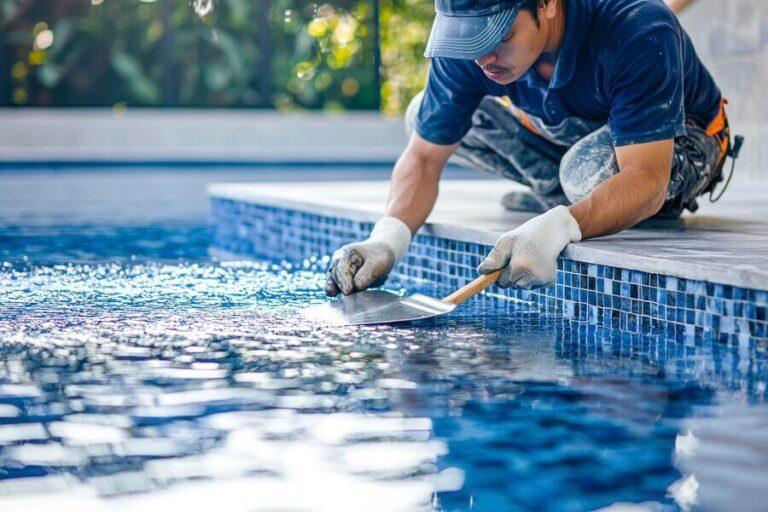
Building a swimming pool is a major home improvement project that combines engineering, design, landscaping, and long-term planning. A well-designed pool not only enhances the beauty of a property but also increases its functionality, value, and lifestyle appeal. However, successful pool construction requires more than just excavation and filling water. It involves careful planning, structural precision, material selection, and an understanding of how different systems work together to ensure durability and safety over time.
Initial Planning and Concept Development
Every successful pool project begins with detailed planning. Homeowners must first identify the purpose of the pool, whether it is for recreation, fitness, relaxation, or entertainment. This decision influences the size, shape, depth, and additional features of the pool. For example, a family-oriented pool may prioritize shallow areas and safety features, while a luxury design may include spa sections, waterfalls, and lighting systems.
During this stage, site evaluation is also extremely important. Factors such as soil condition, space availability, drainage, and sunlight exposure all affect the final design. A proper evaluation ensures that the pool integrates naturally into the environment and avoids future structural or maintenance issues.
Design Considerations and Custom Features
Once the concept is clear, the design phase begins. This is where creativity meets engineering. Modern pool designs offer a wide range of customization options including geometric shapes, freeform layouts, infinity edges, tanning ledges, and integrated seating areas. Each design choice impacts both aesthetics and functionality.
Materials also play a key role in design. Common finishes include plaster, pebble, and tile, each offering different textures, durability levels, and visual effects. The selection of materials must balance appearance with long-term maintenance requirements. Lighting systems, water features, and surrounding landscaping are also incorporated during this phase to create a complete outdoor environment.
Importance of Structural Engineering
Behind every visually appealing pool is a strong structural foundation. Proper engineering ensures that the pool can withstand water pressure, soil movement, and environmental changes over time. Reinforced steel frameworks, concrete shells, and waterproofing layers are carefully designed to maintain stability and prevent leaks or cracks.
Drainage systems are also integrated into the structure to manage water flow and prevent flooding or soil erosion around the pool area. Without proper engineering, even the most beautiful pool design can fail prematurely due to structural weaknesses.
Excavation and Ground Preparation
Excavation is one of the most critical stages of pool construction. This process involves digging the designated area according to the approved design. Precision is essential here because even minor errors in depth or shape can affect the entire installation process.
Once excavation is complete, the ground is leveled and prepared for structural reinforcement. Any loose soil is compacted, and the base is stabilized to support the weight of the pool structure. Proper preparation at this stage ensures long-term durability and reduces the risk of shifting or sinking.
Plumbing and Electrical Systems
A swimming pool is not just a water container; it is a fully functional system that relies on plumbing and electrical networks. Plumbing systems are responsible for water circulation, filtration, and drainage. Pipes must be carefully installed to ensure efficient water flow without leaks or blockages.
Electrical systems power essential components such as pumps, lighting, heating systems, and automation controls. Safety is a top priority during installation, and all electrical work must comply with strict standards to prevent hazards. Proper coordination between plumbing and electrical systems ensures smooth and efficient pool operation.
Construction and Shell Installation
After the groundwork is complete, the main pool structure is built. Depending on the design, this may involve concrete pouring, steel reinforcement, or pre-fabricated shell installation. The shell forms the core structure of the pool and determines its shape and strength.
Once the shell is in place, additional layers such as waterproof coatings and finishing materials are applied. These layers protect the structure from water damage and enhance the visual appearance of the pool. Attention to detail during this stage ensures both durability and aesthetic quality.
Finishing Touches and Aesthetic Enhancements
Finishing work transforms a structural pool into a visually appealing outdoor feature. Tiles, coping stones, and decorative finishes are installed to create a polished look. Surrounding areas such as decks, patios, and landscaping are also completed to integrate the pool into the overall environment.
Water features like fountains, waterfalls, and jets can be added to enhance the sensory experience. Lighting systems are installed to improve visibility and create ambiance during nighttime use. These finishing elements significantly increase the overall value and enjoyment of the pool.
Professional Installation Practices
Professional expertise plays a major role in ensuring successful pool construction. Many homeowners rely on structured services such as pool installation tampa to manage the entire process from design to completion. These services focus on precision, quality materials, and adherence to safety standards, ensuring that every stage of construction is handled correctly.
Using professional installation systems helps reduce errors and ensures that the pool meets both functional and aesthetic expectations. Experienced teams also provide guidance on design choices, material selection, and long-term maintenance planning.
Quality Control and Safety Standards
Quality control is essential throughout the installation process. Each stage must be inspected to ensure it meets engineering and safety requirements. This includes verifying structural integrity, testing plumbing systems, and ensuring electrical safety compliance.
Safety standards are especially important because pools involve water and electricity in close proximity. Proper grounding, waterproofing, and secure installations help prevent accidents and ensure safe usage for years to come.
Energy Efficiency and Modern Technology
Modern pools are increasingly incorporating energy-efficient systems and smart technology. Variable-speed pumps, LED lighting, and automated control systems help reduce energy consumption while improving convenience.
Automation allows homeowners to control filtration cycles, lighting, and temperature remotely. These technologies not only make pool ownership easier but also reduce long-term operational costs. Energy-efficient designs are becoming a standard part of modern pool construction practices.
Environmental Considerations
Environmental awareness is also influencing pool design and installation. Sustainable materials, water-saving systems, and eco-friendly filtration methods are being used to reduce environmental impact.
Proper drainage systems ensure that excess water is managed responsibly, while efficient circulation systems reduce water waste. These environmentally conscious practices help create pools that are both functional and sustainable.
Cost Planning and Budget Management
Pool installation is a significant financial investment, and proper budgeting is essential. Costs vary depending on size, design complexity, materials, and additional features. Homeowners must plan not only for construction but also for long-term maintenance and operational expenses.
Working with professionals such as pool installation tampa helps ensure that budgets are managed effectively and that there are no unexpected costs during construction. Transparent planning and clear estimates make the entire process smoother and more predictable.
Maintenance Planning After Installation
Even after installation is complete, proper maintenance planning is necessary to preserve the pool’s condition. Regular cleaning, chemical balancing, and equipment inspection are essential to keep the pool functioning efficiently.
A well-built pool is easier to maintain, but it still requires ongoing care. Planning for maintenance from the beginning ensures long-term performance and reduces repair costs over time.
Long-Term Value and Lifestyle Benefits
A professionally installed pool offers long-term value beyond just aesthetics. It enhances property value, provides recreational space, and improves overall lifestyle quality. Families can enjoy entertainment, relaxation, and fitness opportunities without leaving home.
High-quality installation ensures that these benefits continue for many years. Proper planning, expert construction, and consistent maintenance all contribute to maximizing the return on investment.
Conclusion
Swimming pool construction is a complex process that requires careful planning, engineering expertise, and attention to detail at every stage. From initial design to final finishing, each step plays a critical role in ensuring durability, safety, and visual appeal. Professional services like pool installation tampa help streamline this process by providing structured solutions and expert guidance. When executed correctly, a swimming pool becomes more than just a structure; it becomes a long-lasting feature that enhances comfort, lifestyle, and property value for years to come.
