


Cities are changing quickly, and so are the ways people move through them.
As traffic congestion, rising transportation costs, and increasingly fast-paced urban routines continue shaping modern life, more people are searching for mobility solutions that feel both efficient and flexible. Electric bikes have already become part of that shift, but a growing segment of riders is now paying closer attention to another factor within urban transportation: speed.
Faster electric bikes are becoming increasingly popular not simply because they move quicker, but because they reflect changing expectations surrounding convenience, accessibility, and modern city living.
Urban Mobility Is Becoming More Time-Conscious
In many cities, traditional commuting has become increasingly unpredictable.
Traffic congestion, crowded public transportation systems, and longer travel times are pushing more urban residents to reconsider how they navigate everyday life. Electric bikes offer a practical alternative by allowing riders to move more freely through urban environments while avoiding many of the delays associated with conventional transportation.
For many commuters, speed is no longer only about performance — it is about efficiency.
Faster electric bikes can help reduce commuting stress, shorten travel times, and create more flexibility within busy daily routines. This shift is helping reshape how riders think about personal mobility in modern cities.
Performance Is Evolving Beyond Recreation
In the past, high-performance electric bikes were often associated primarily with enthusiasts or recreational riders. Today, however, performance-oriented riding is becoming more integrated into mainstream urban transportation culture.
Modern riders increasingly want electric bikes that combine speed, comfort, and versatility in ways that fit naturally into everyday life.
This is especially true in larger urban areas where riders may travel longer distances between neighborhoods, workplaces, social spaces, and outdoor destinations.
Rather than viewing electric bikes only as casual leisure products, many riders now see them as practical transportation tools capable of supporting faster-paced urban lifestyles.
The Balance Between Speed and Everyday Comfort
As faster commuter electric bikes become more common, many riders are also placing greater importance on comfort and riding experience.
Performance alone is no longer enough. Riders increasingly expect electric bikes to support longer rides, smoother handling, and relaxed ergonomics while still providing the efficiency needed for modern urban mobility.
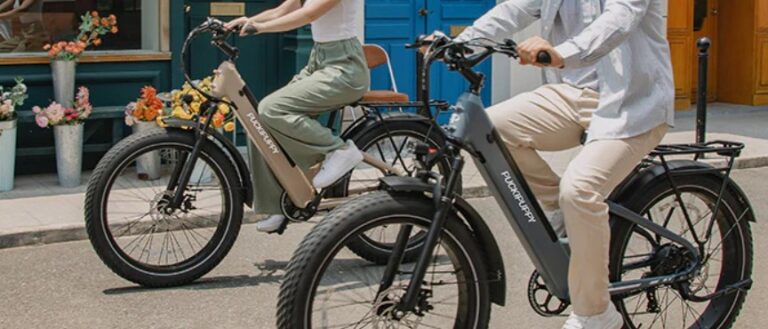
This has contributed to growing interest in comfort-oriented designs such as Moped Style eBikes, which combine higher-performance capabilities with more relaxed riding positions and urban-focused aesthetics.
Brands such as Puckipuppy have embraced this evolving market by developing electric bikes designed to balance performance, comfort, and everyday usability for riders navigating modern city environments.
Cities Are Adapting to New Mobility Habits
The rise of faster electric bikes also reflects broader changes happening within urban infrastructure and transportation culture.
Many cities are investing more heavily in bike lanes, micro-mobility initiatives, and alternative transportation systems designed to reduce congestion and support more flexible movement through urban spaces.
As this infrastructure continues developing, electric bikes are becoming increasingly integrated into everyday city life rather than remaining a niche transportation category.
This transition is helping normalize electric mobility as part of modern urban culture.
The Future of Faster Urban Transportation
The growing popularity of faster electric bikes suggests that urban mobility is entering a new phase.
People are looking for transportation solutions that feel adaptable, efficient, and capable of fitting into increasingly dynamic lifestyles. Electric bikes are helping meet that demand by offering a combination of speed, accessibility, and flexibility that traditional transportation systems often struggle to provide.
As cities continue evolving, faster electric bikes may play an increasingly important role in shaping how people experience movement, commuting, and everyday life within modern urban environments.
