


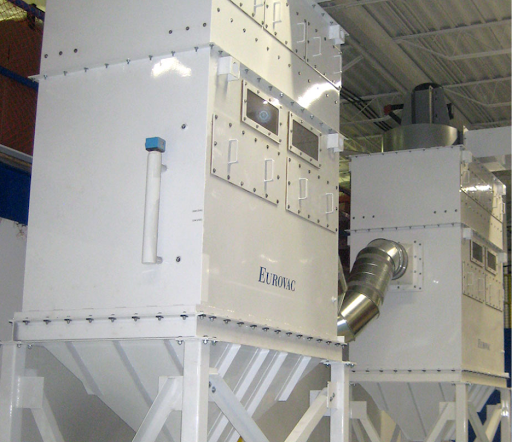
Corrosive gas emissions can create problems throughout your facility. Such gases can be carried down the ventilation systems and exposed to machinery and working zones, as well as production areas.
Exposure may cause damage to critical components over time and raise the cost of repair. As maintenance needs grow, keeping daily operations on schedule becomes more difficult.
To prevent those problems, you require a method of eliminating toxic gases before they can diffuse. This is usually done by wet scrubbers since they can capture the corrosive contaminants in the air stream. Through a liquid-based process, these systems help reduce pollution and improve air quality in your facility.
Along with cleaner air, you have much more protection of equipment and control over working conditions. This article explains why wet scrubbers are preferred for managing corrosive gas emissions.
1. Direct Capture of Corrosive Gases
Corrosive gases can move quickly once they enter your air system. That movement enables contaminants to be carried to various sections of your facility within a short period of time. When the gases remain in the air, the issues with air quality can extend further.
The capability to capture the harmful gases at an early stage is one of the reasons why wet scrubbers are widely used. Instead of allowing polluted air to travel farther, the system brings that air into contact with liquid.
In the process of such contact, corrosive contaminants are subsequently captured and removed from the air stream. With fewer pollutants moving through your facility, maintaining cleaner air becomes easier.
Early detection also assists in ensuring that minor air quality problems do not evolve into big problems. By capturing contaminants near their sources, wet scrubbers help you better control the air moving through your operation.
2. Better Protection for Equipment
Clean air does more than improve your work environment. It also helps protect the equipment you depend on every day. When corrosive gases settle on machinery, damage can build up slowly over time.
At first, the effects may seem minor. Over time, however, harmful gases can corrode metal surfaces and other critical components. As wear increases, repairs become more frequent, and equipment may spend more time out of service.
Wet scrubbers help reduce that risk by removing corrosive contaminants before they spread through your facility. With fewer harmful gases in the air, equipment faces less exposure to damage and can stay in good condition for longer.
Longer equipment life often means fewer repairs and less unexpected downtime. As a result, keeping production on schedule becomes much easier.
3. Support for Safer Work Areas
Equipment protection is important, but air quality also affects the work areas where people work every day. When corrosive gases stay in the air, they can spread through workspaces and ventilation systems. As those gases move through your facility, maintaining safer conditions becomes more difficult.
Wet scrubbers help address that problem by removing harmful gases before they build up. By capturing contaminants from the air stream, these systems reduce the amount of unwanted material moving through your facility. With fewer pollutants in the air, work areas can stay cleaner and easier to manage.
Another benefit is better control over where contaminants travel. Instead of allowing harmful gases to spread from one area to another, wet scrubbers help contain air quality problems closer to their source. That added control supports safer day-to-day operations and cleaner conditions throughout your facility.
4. Dependable Performance Across Facilities
Every facility faces unique air quality challenges. Some processes generate larger amounts of contaminants, while others create changing airflow demands throughout the day. Because conditions can vary so much, reliable performance is an important part of any air quality solution.
Wet scrubbers are often preferred because they can perform effectively across a wide range of industrial applications. Whether your operation runs under steady conditions or experiences changing production demands, these systems continue removing harmful gases from the air stream.
That consistency helps you maintain cleaner air without constant adjustments. As production needs change, dependable contaminant control helps support smoother operations. Reliable performance can also make long-term air quality planning much easier.
5. Removal of Multiple Contaminants
Corrosive gases are not always the only air quality concern in your facility. Along with gas emissions, you may also deal with dust, fine particles, and other materials moving through the air. Managing each issue separately can take more time and effort.
One advantage of wet scrubbers is their ability to address multiple contaminants simultaneously. While removing harmful gases, these systems can also capture certain airborne particles. That combination helps reduce the amount of unwanted material moving through your facility.
With fewer gases and particles in the air, maintaining cleaner conditions becomes easier. Cleaner air can support equipment protection, improve work areas, and help you keep better control over your facility environment. By addressing multiple concerns through one system, wet scrubbers provide a practical solution for ongoing air quality management.
Bottomline
Corrosive gas emissions can create problems that affect air quality, equipment, and production throughout your facility. Without proper control, harmful gases may lead to more repairs, unexpected downtime, and additional safety concerns. Wet scrubbers help address these issues by removing contaminants before they spread through the air.
In addition to improving air quality, wet scrubbers help protect equipment and support safer work areas. They can also perform well across different operating conditions and help control multiple types of contaminants.
With fewer harmful materials moving through your facility, maintaining cleaner, safer, and more efficient operations becomes much easier.
