


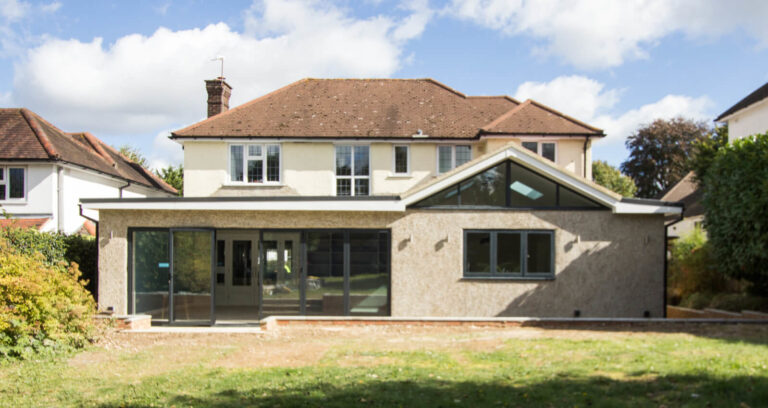
You want more space but moving isn’t on the cards. That’s the reality for thousands of London homeowners right now. Whether it’s a growing family, a need for a home office, or just wanting a bigger kitchen, a house extension is often the smartest route forward. But here’s the thing most people get wrong — they start thinking about builders before they’ve even spoken to an architect.
A good architect in London can shape the entire outcome of your extension project. From early design ideas to planning approval, they’re the ones who turn a rough brief into something that actually works — structurally, visually, and within your budget. At Extension Architecture, we’ve seen first hand how the right design input at the start saves time, money, and a whole lot of stress later down the line.
This guide covers what you should know before hiring an architect for a house extension in London, what the process looks like, and where homeowners commonly slip up.
Why an Architect Matters More Than You Think
Some homeowners try to skip the architect stage altogether. They go straight to a builder, maybe get a few rough sketches, and hope for the best. It can work for very small projects, but for anything meaningful — a rear extension, a side return, a loft conversion — professional design input is worth every penny.
An architect doesn’t just draw plans. They think about how you live in your home. Where the light falls. How rooms connect. What the neighbours and planning officers will think. They also understand building regulations, structural constraints, and how to squeeze the most useable space from your plot.
In London especially, where plots are tight and planning rules vary wildly from one borough to the next, this expertise is not optional. It’s necessary.
What Type of Extension Suits Your Home
Before you get too far into the process, it helps to understand your options. The right type of extension depends on your property, your garden space, your budget, and what you actually need.
A single storey extension is the most common choice. It typically extends out from the rear of the house into the garden. It’s great for creating open plan kitchens, dining areas, or living spaces. Costs vary, but most London homeowners spend somewhere between £50,000 and £100,000 depending on size and specification.
Double storey extensions give you significantly more space. You get two floors of additional room, which is ideal if you need both living space downstairs and bedrooms upstairs. They do cost more upfront, but the cost per square metre is actually lower than a single storey.
Side return extensions work well on Victorian and Edwardian terraces where there’s a narrow alley running down one side of the house. Wrapping into that unused strip can transform a cramped kitchen into something really special.
Your architect will help you figure out which option gives you the best result for your specific situation.
Understanding Planning Permission in London
Planning is where many extension projects stall. London boroughs each have their own local policies, conservation areas, and Article 4 directions. What’s permitted in Bromley might not fly in Kensington.
Many smaller extensions fall under permitted development rights, meaning you don’t need formal planning permission. But there are limits on depth, height, and proximity to boundaries. Get it wrong and you could face an enforcement notice, or worse, be told to demolish what you’ve built.
An experienced architect knows how to work within these rules — and when it’s worth pushing for something bigger through a full planning application. They’ll also handle the drawings, design and access statements, and correspondence with the council on your behalf.
Always confirm whether your property has had its permitted development rights removed. Some do, particularly in conservation areas or if previous owners made alterations.
How the Design and Build Process Works
Once you’ve chosen your architect, the process usually follows a fairly standard path. It starts with an initial consultation where you talk through your goals, your budget, and any constraints. Then comes the survey of your existing property, followed by concept designs.
After a few rounds of revisions, you’ll settle on a design that goes forward for planning approval or a lawful development certificate. Once approved, your architect prepares detailed construction drawings and specifications. These are what your builder prices from and works to on site.
If you want a smoother experience, consider working with a design and build team. Having design and construction under one roof reduces miscommunication and keeps the programme tight. It also gives you a single point of contact from start to finish, which makes life alot easier.
Common Mistakes Homeowners Make
One of the biggest errors is underestimating the budget. London construction costs have risen sharply in recent years, and what your neighbour paid three years ago probably won’t reflect today’s prices. Always add a contingency of at least 10 to 15 percent.
Another mistake is not thinking about the long term. You might only need a playroom now, but will you want a guest bedroom in five years? Good design anticipates change.
And finally, don’t rush the architect selection. Look at their previous work. Read reviews. Meet them in person if you can. A strong working relationship with your architect is one of the best investments you’ll make in the whole project.
What a Good Outcome Looks Like
When everything comes together — a thoughtful design, a solid planning strategy, and a reliable build team — the result speaks for itself. More natural light. Better flow between rooms. A home that feels bigger, works harder, and is worth more on paper too.
London homeowners who get this right often say the same thing: they wish they’d done it sooner.
